
Abu Dhabi’s Mangrove National Park: A Sanctuary of Biodiversity and Sustainable Exploration
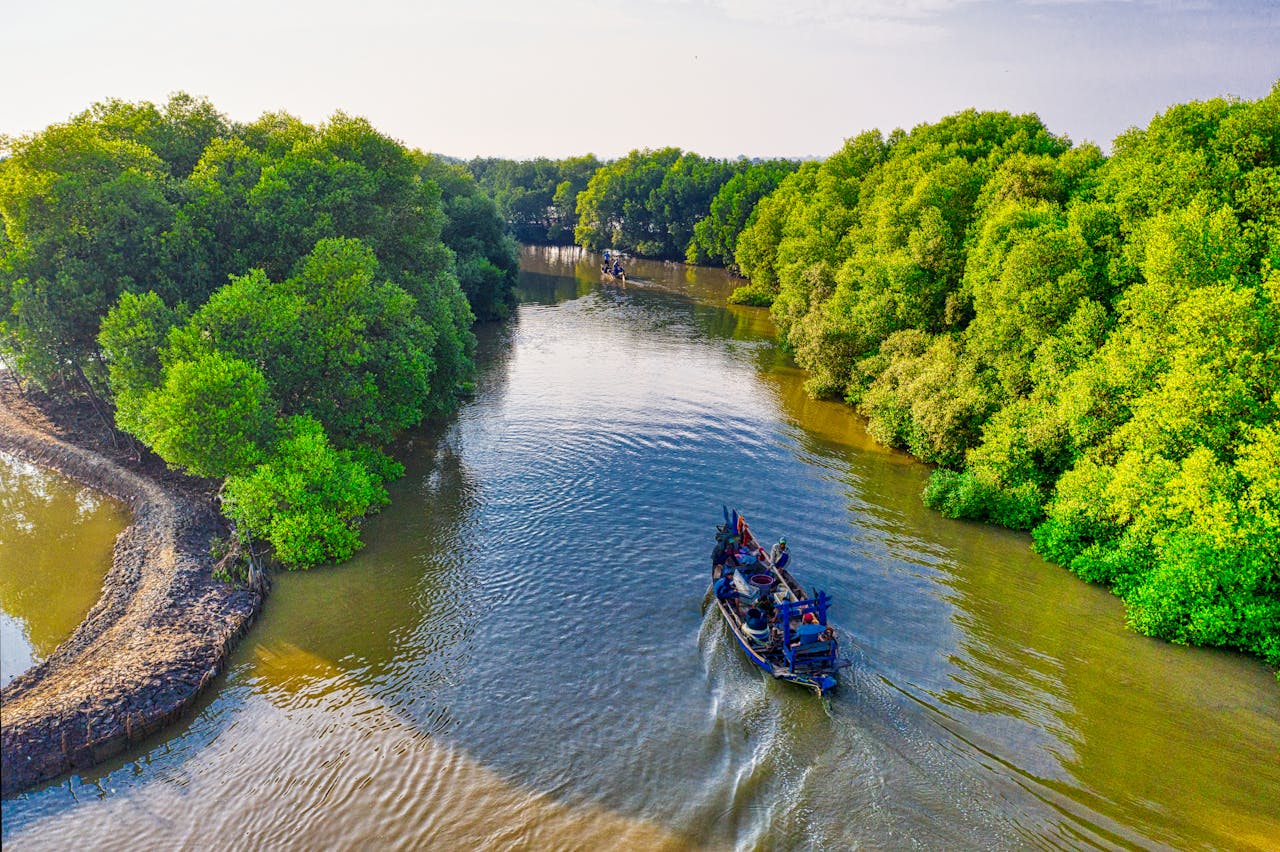
Nestled along the coastline of Abu Dhabi, Mangrove National Park stands as a testament to the UAE’s commitment to environmental preservation and sustainable tourism. Spanning over 19 square kilometers, this protected area is a labyrinth of salt-tolerant mangroves, tidal channels, and mudflats that teem with life. More than just a natural retreat, the park serves as a living laboratory for ecological research and a haven for adventurers, families, and eco-conscious travelers. Dive into this comprehensive guide to discover why Mangrove National Park is a must-visit destination for those seeking to connect with nature while supporting conservation efforts.
The Ecological Significance of Mangroves
Mangroves are among Earth’s most vital ecosystems, acting as natural barriers against coastal erosion, carbon sinks, and nurseries for marine species. In Abu Dhabi, these resilient trees—primarily Avicennia marina—thrive in the intertidal zone, their tangled roots filtering saltwater and stabilizing sediment.
- Carbon Capture: Mangroves sequester up to four times more carbon than tropical rainforests, which is crucial in combating climate change.
- Biodiversity Hotspot: The park shelters over 60 bird species, including migratory flocks from Siberia and Europe, while its waters host dugongs, turtles, and juvenile fish.
- Cultural Heritage: For centuries, local communities relied on mangroves for fishing and building materials, a tradition honored through the park’s conservation ethos.
A Journey Through the Park: Activities for Every Explorer
Whether paddling through serene waterways or observing wildlife from boardwalks, Mangrove National Park offers immersive experiences that blend adventure with education.
1. Kayaking and Stand-Up Paddleboarding (SUP)
Glide through the park’s tranquil channels, where sunlight dapples the water and herons stalk prey in the shallows.
- Guided Tours: Operators like Noukhada Adventure Company offer eco-friendly tours, with guides explaining mangrove ecology and highlighting hidden wildlife.
- Self-Guided Adventures: Rent a kayak or SUP to explore at your own pace. Morning slots are ideal for calm waters and bird activity.
- Night Tours: Witness bioluminescent plankton illuminating the water under a starlit sky—a magical experience offered seasonally.
2. Birdwatching: A Paradise for Ornithologists
The park is a critical stopover on the East Atlantic Flyway, attracting species like:
- Greater Flamingos: Their pink hues contrast strikingly against green mangroves during winter months.
- Socotra Cormorants: Endangered birds that nest in the park’s protected areas.
- Western Reef Herons: Often spotted poised motionless, waiting to spear fish.
Best Spots: The Jubail Mangrove Boardwalk and Eastern Mangroves Promenade offer prime viewing platforms.
3. Educational Trails and Boardwalks
- Jubail Mangrove Park: A 2-kilometer boardwalk winds through the mangroves, with interactive displays explaining the ecosystem’s role in carbon sequestration.
- Self-Guided Walks: Follow marked trails at Eastern Mangroves, where interpretive signs detail native flora and fauna.
4. Conservation Volunteering
Join initiatives like beach clean-ups or mangrove planting programs organized by the Environment Agency Abu Dhabi (EAD). These hands-on activities foster a deeper connection to the environment.
Wildlife Encounters: Meet the Park’s Residents
The park’s biodiverse habitats support an array of species, both common and rare:
- Dugongs: Gentle “sea cows” graze on seagrass beds in the park’s deeper channels.
- Hawksbill Turtles: Endangered juveniles find refuge in the mangrove roots.
- Fiddler Crabs: Watch males wave their oversized claws in rhythmic courtship displays.
- Collared Kingfishers: Vibrant blue-and-white birds that dive for fish in the creeks.
Pro Tip: Visit during low tide to spot mudskippers—amphibious fish that “walk” on land.
Sustainability Initiatives: Protecting Tomorrow’s Ecosystems
Mangrove National Park is a model of sustainable tourism, balancing visitor access with ecological preservation.
- Plastic-Free Policy: Single-use plastics are banned; visitors receive reusable water bottles.
- Solar-Powered Facilities: Boardwalks and signage are powered by renewable energy.
- Research Partnerships: The park collaborates with institutions like NYU Abu Dhabi to study mangrove resilience to climate change.
Planning Your Visit: Practical Information
Location: The park spans areas along Abu Dhabi’s eastern coast, including Jubail Island, Eastern Mangroves, and Saadiyat Island.
Getting There:
- By Car: 15 minutes from downtown Abu Dhabi; ample parking at Jubail Mangrove Park.
- Public Transport: Taxis or ride-shares are recommended, as bus routes are limited.
Entry Fees:
- Jubail Mangrove Boardwalk: Free on weekdays; AED 15 per adult on weekends.
- Kayak Tours: Start at AED 150 per person, including equipment and guides.
Best Time to Visit:
- October–April: Mild weather (20–30°C) ideal for outdoor activities.
- Early Morning or Late Afternoon: Avoid the midday heat and catch wildlife at peak activity.
What to Bring:
- Sunscreen (reef-safe), hats, and reusable water bottles.
- Binoculars for birdwatching and waterproof phone cases.
Family-Friendly Features: Fun for All Ages
- Junior Ranger Programs: Kids earn badges by completing eco-quizzes and scavenger hunts.
- Interactive Learning Stations: Touchscreens and augmented reality apps bring mangrove ecology to life.
- Picnic Areas: Shaded spots near the boardwalk for family lunches.
Photography Tips: Capturing the Park’s Beauty
- Golden Hour: Sunrise and sunset cast a warm glow on the mangroves.
- Macro Shots: Focus on fiddler crabs or mangrove pneumatophores (aerial roots).
- Drone Use: Permitted in designated zones; register with park authorities first.
The Future of Mangrove National Park
Abu Dhabi aims to expand mangrove coverage by 20% by 2030, with plans for:
- New Boardwalks: Extending trails to lesser-explored areas.
- Virtual Reality Tours: Digital experiences for those unable to visit physically.
- Community Nurseries: Involving schools in growing mangrove saplings.
How You Can Help
- Adopt a Mangrove: Contribute to planting initiatives through the EAD’s adoption programs.
- Respect Guidelines: Stay on marked paths, avoid disturbing wildlife, and carry out all trash.
- Spread Awareness: Share your experiences on social media using #MangroveGuardians.
A Call to Explore and Protect
Mangrove National Park is more than a destination—it’s a living reminder of nature’s resilience and humanity’s role in safeguarding it. Whether paddling through its emerald channels, marveling at a flamingo’s grace, or planting a sapling, every moment here deepens your connection to the planet. As Abu Dhabi continues harmonizing urban growth with environmental stewardship, the park is a beacon of hope and a blueprint for sustainable coexistence.
Visit Responsibly: Check the park’s website for updates on weather advisories, events, and volunteer opportunities.

Recent Posts

How to Plan a Family-Friendly Abu Dhabi Vacation with Ease

Ultimate Abu Dhabi Adventure Guide: From Dunes to Sky
Dubai’s Theme Parks: A Comprehensive Guide to Unforgettable Adventures
Tags
Abu Dhabi