
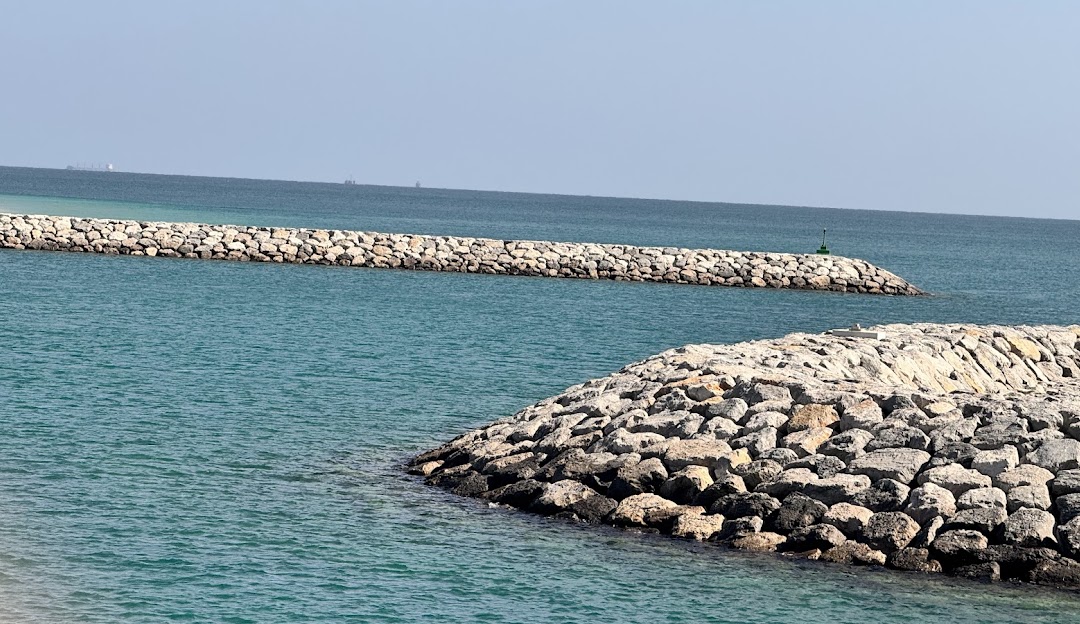
Dalma Island: Abu Dhabi’s Hidden Oasis of History, Culture, and Natural Beauty
Nestled in the tranquil waters of the Arabian Gulf, Dalma Island emerges as a serene counterpoint to Abu Dhabi’s glittering urban landscape. Part of the Al Dhafra region, this 9-kilometer-long island is a treasure trove of archaeological wonders, cultural heritage, and untouched natural beauty. For travelers seeking an authentic glimpse into the UAE’s past and a respite from modern life, Dalma Island offers a journey through time, where ancient traditions and tranquil landscapes converge.
A Glimpse into Antiquity: The Island’s Archaeological Significance
Dalma Island’s history stretches back over 7,000 years, making it one of the oldest inhabited areas in the UAE. Excavations have unearthed artifacts from the Ubaid period (5,000–3,800 BCE), linking it to Mesopotamia’s ancient trade networks.
- Ubaid-era Discoveries: Pottery fragments and tools found here mirror those in modern-day Iraq, suggesting maritime trade routes existed millennia before the dhow’s invention.
- Freshwater Springs: The island’s natural springs provided vital hydration for early settlers and traders, anchoring its role as a regional hub.
- Pearl Diving Legacy: By the 18th century, Dalma became a key pearl diving center, with divers harvesting the Gulf’s prized “white gold” to supply global markets.
Cultural Tapestry: Traditions Rooted in the Sea
Dalma’s identity is deeply intertwined with the sea, shaping everything from architecture to festivals.
Pearling Heritage
- Diving Rituals: Before oil, pearl divers spent months at sea, guided by the stars and lunar cycles. Their endurance is honored at the Dalma Museum, where tools like the fateen (nose clip) and yarda (stone weight) are displayed.
- Folklore & Songs: Elders still recount tales of Al Ghaws (divers) and sing Nahma work chants, preserving the rhythm of this bygone era.
Architectural Identity
- Coral Stone Houses: Traditional homes built with coral blocks and palm fronds dot the island, their thick walls designed to withstand summer heat.
- Al Murabbaa Fort: This 19th-century fortress guarded the island’s precious freshwater sources with its square structure and watchtowers.
Festivals & Community
- Date Festival: Dalma’s lush date plantations (over 20,000 palms) are celebrated each July with competitions for the sweetest khalas or fardh varieties.
- Fishermen’s Festival: A vibrant event where locals showcase traditional net-making and boat-building skills.
Exploring Dalma: Must-Visit Sites and Activities
Dalma Museum: Portals to the Past
Housed in a restored merchant’s home, this museum offers intimate insights into the island’s history:
- Pearling Exhibits: Dive suits, pearl scales, and black-and-white photos of divers.
- Ancient Artifacts: Ubaid pottery, stone tools, and Bronze Age jewelry.
- Interactive Displays: Touchscreens detailing trade routes and oral histories from elderly residents.
Al Jazeera Farms: Oasis in the Desert
A short boat ride from Dalma, this experimental farm transforms arid land into fertile ground using sustainable techniques:
- Guided Tours: Learn about hydroponics and solar-powered irrigation.
- Tastings: Sample organic dates, honey, and camel milk.
Natural Wonders: Beaches and Wildlife
- Al Sadeem Beach: A secluded stretch of white sand perfect for swimming and picnics.
- Birdwatching: Migratory species like flamingos and herons flock to the island’s wetlands in winter.
- Dolphin Spotting: Boat tours often encounter playful pods offshore.
The Dalma Experience: Authentic Encounters
Meet the Artisans
- Pottery Workshops: Craft clay vessels using techniques unchanged for centuries.
- Boat Builders: Watch craftsmen construct shashas (fishing boats) from acacia wood, just as their ancestors did.
Culinary Journeys
- Local Eateries: Savor machboos al samak (spiced fish and rice) at family-run cafés.
- Coffee Rituals: Sip gahwa (cardamom coffee) with dates in a Bedouin-style majlis.
Sustainable Tourism: Preserving Dalma’s Essence
Efforts to protect the island’s heritage and environment are central to its development:
- Eco-Initiatives: Solar-powered streetlights and bans on single-use plastics.
- Cultural Safeguards: Grants to restore coral houses and digitize oral histories.
- Community Tourism: Homestays with locals, offering immersive experiences like fishing trips and palm-frond weaving.
Planning Your Visit: Practical Tips
- Getting There: Ferries depart daily from Jebel Dhanna port (1.5-hour drive from Abu Dhabi city). The 2-hour ferry ride costs AED 25 per person.
- Best Time to Visit: October–April, when temperatures hover around 25–30°C.
- Accommodations: Options are limited but charming:
- Dalma Guesthouse: Simple, air-conditioned rooms near the museum.
- Camping: Permits allow overnight stays on beaches (AED 50).
- Etiquette: Dress modestly, seek permission before photographing locals.
A Day on Dalma Island: Sample Itinerary
- Morning: Explore Al Murabbaa Fort and Dalma Museum.
- Afternoon: Lunch at a local café, followed by a boat trip to Al Jazeera Farms.
- Evening: Sunset walk on Al Sadeem Beach, then coffee with island elders.
Why Dalma Island Captivates
In a nation renowned for futuristic ambition, Dalma Island is a guardian of heritage. Here, the whispers of pearl divers and traders echo through coral-stone alleys, while the Gulf’s turquoise waters cradle stories older than recorded time. It’s a place where history isn’t just preserved—it’s lived.
Final Thought: To visit Dalma is to step off the map of modernity and into a living archive of Emirati resilience. Whether you’re tracing ancient trade routes or sharing tales under the stars, the island leaves an indelible mark—a reminder that some treasures are timeless.

Recent Posts

How to Plan a Family-Friendly Abu Dhabi Vacation with Ease

Ultimate Abu Dhabi Adventure Guide: From Dunes to Sky
Dubai’s Theme Parks: A Comprehensive Guide to Unforgettable Adventures
Tags
Abu Dhabi