
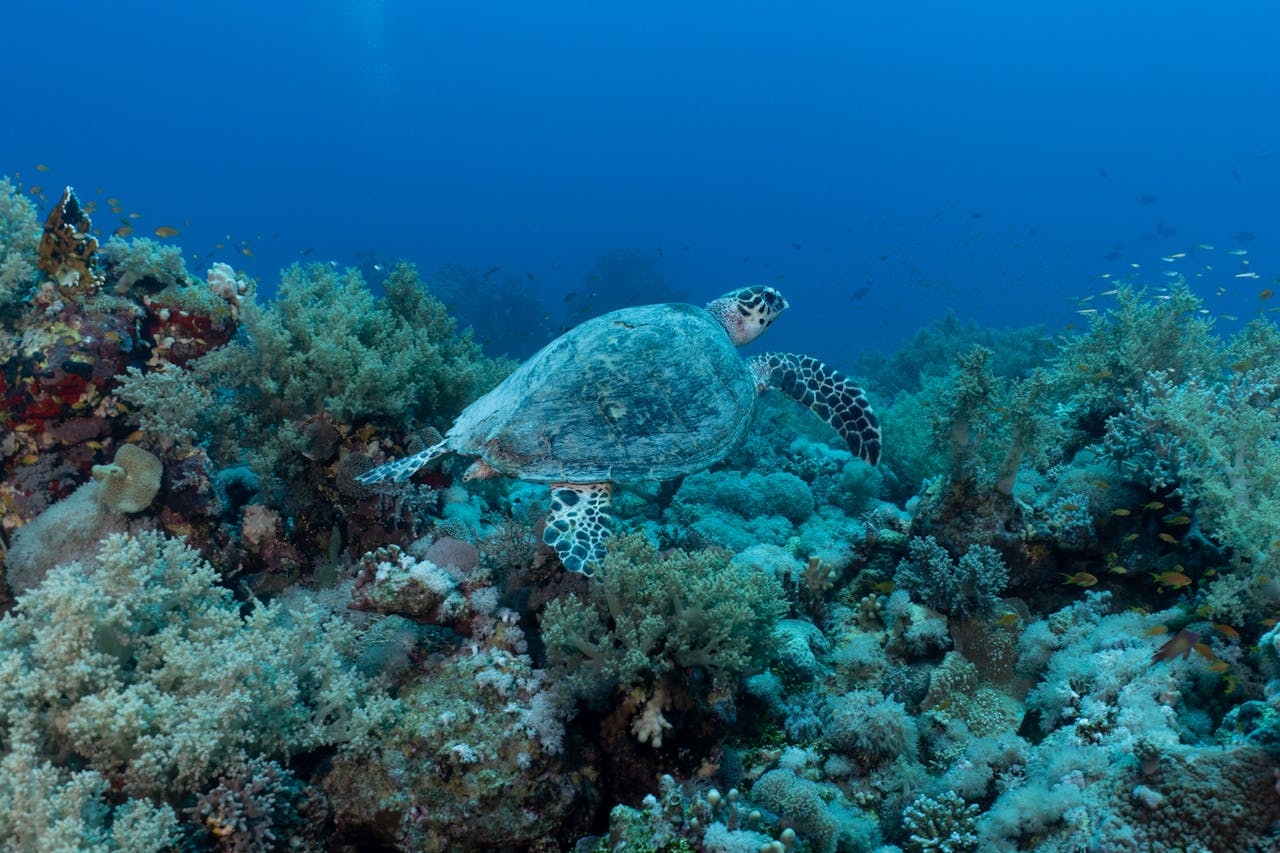
Abu Dhabi’s Hawksbill Turtles: Guardians of the Gulf’s Marine Legacy
Abu Dhabi, the gleaming capital of the United Arab Emirates, is a realm where futuristic skylines coexist with untouched natural wonders. Among its most treasured inhabitants are the Hawksbill turtles (Eretmochelys imbricata), ancient mariners whose survival is intertwined with the health of the Arabian Gulf’s marine ecosystems. This blog invites you to explore the world of these critically endangered reptiles, uncover Abu Dhabi’s conservation triumphs, and discover how you can witness their beauty responsibly.
Hawksbill Turtles: Oceanic Jewels with a Purpose
Hawksbill turtles are living relics, having navigated Earth’s oceans for over 100 million years. Their name derives from their tapered, hawk-like beak, which they use to forage among coral reefs. Their carapace—a mosaic of amber, gold, and brown scutes—has, unfortunately, made them targets for illegal wildlife trade. Today, they are classified as critically endangered, but Abu Dhabi has emerged as a beacon of hope for survival.
Ecological Role
These turtles are unsung heroes of marine ecosystems. By feeding predominantly on sponges, they prevent these organisms from smothering coral reefs. This diet sustains the turtles and promotes reef biodiversity, offering shelter to fish, crustaceans, and other marine life. Without Hawksbills, the delicate balance of coral ecosystems could collapse.
Cultural Significance
In Emirati heritage, marine life has long been revered, and Hawksbills are no exception. They symbolize resilience and harmony with nature—a philosophy deeply embedded in the UAE’s vision for sustainable development.
Abu Dhabi’s Conservation Crusade
The Environment Agency – Abu Dhabi (EAD) leads regional efforts to protect Hawksbills, implementing science-driven strategies to safeguard their future.
Nesting Site Protection
Hawksbills exhibit natal homing, returning to their birthplace to nest. Key nesting sites on Abu Dhabi’s islands, such as Saadiyat and Jubail, are meticulously monitored. From April to July, female turtles haul themselves ashore under darkness to lay clutches of 100–150 eggs. EAD teams mark and protect these nests, ensuring hatchlings have a fighting chance against predators and human interference.
Rescue and Rehabilitation
The EAD’s Marine Wildlife Rescue Program rehabilitates injured turtles, often victims of fishing gear entanglement or plastic ingestion. Once healed, they’re released back into the wild, fitted with satellite tags to track migration patterns and gather data for future conservation strategies.
Community Engagement
From beach cleanups to educational workshops, Abu Dhabi actively involves residents and tourists in conservation. Initiatives like the “Turtle Adoption Program” allow individuals to contribute financially to protection efforts while fostering a deeper connection to the species.
Where to Encounter Hawksbill Turtles Responsibly
Abu Dhabi’s islands and marine parks offer ethical opportunities to observe these creatures in their natural habitat. Below are the top locations where conservation meets exploration:
1. Saadiyat Island: Where Luxury Meets Wilderness
Saadiyat Island is renowned for its white-sand beaches and cultural landmarks like the Louvre Abu Dhabi. However, its protected western shores serve as vital nesting grounds for Hawksbills. The Saadiyat Beach Monitoring Program ensures minimal human disruption during nesting season. Visitors can join guided night tours (with permits) to witness nesting females or spot hatchlings scurrying to the sea at dawn.
Pro Tip: Stay at eco-conscious resorts like Park Hyatt Abu Dhabi, which supports local conservation through sustainable practices.
2. Jubail Mangrove Park: A Kayaker’s Sanctuary
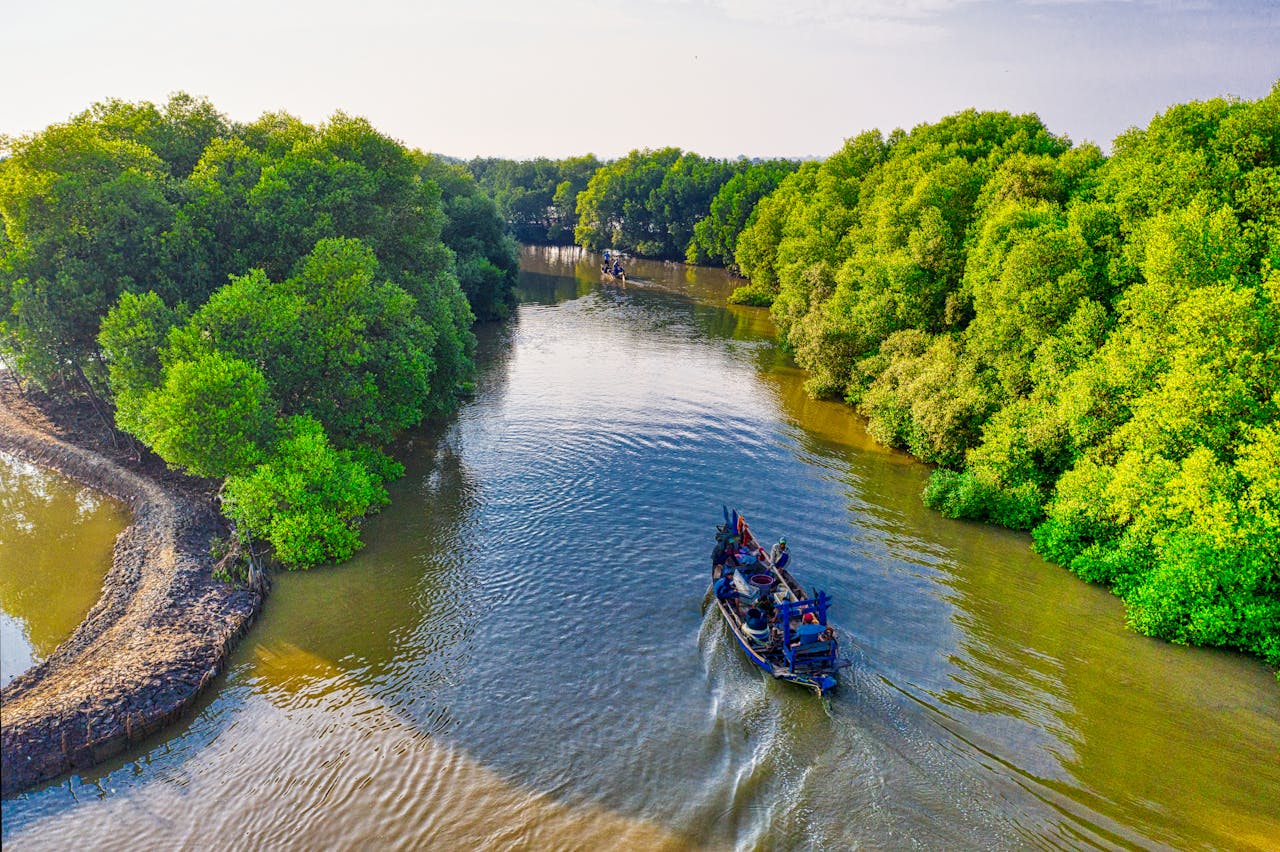
Jubail Island’s mangrove forests are nurseries for marine life, including juvenile Hawksbills. The park’s boardwalks and kayaking routes let visitors glide through serene waterways where turtles surface for air. Look for their distinctive beaks poking above the water as they feed on mangrove-associated sponges.
Did You Know? Mangroves sequester carbon four times faster than rainforests, making Jubail a critical site for climate resilience.
3. Sir Bani Yas Island: A Wildlife Oasis
While famed for its Arabian Wildlife Park, Sir Bani Yas also shelters Hawksbills along its sheltered bays. The island’s commitment to sustainability—powered by solar energy and zero-waste policies—aligns with its role as a refuge for endangered species. Boat tours here often reveal turtles basking near coral outcrops.
4. Marawah Marine Biosphere Reserve
A UNESCO-designated site, Marawah is a haven for dugongs, dolphins, and Hawksbills. Accessible only via authorized tours, its seagrass beds and coral reefs provide feeding grounds for turtles. The reserve’s strict regulations ensure human activities don’t disturb marine life.
The Hawksbill Lifecycle: A Journey of Survival
- Hatchling Emergence
After 60 days of incubation, hatchlings dig their way to the surface, guided by the moon’s reflection on the sea. Artificial lighting from coastal developments can disorient them—a challenge Abu Dhabi mitigates through controlled beach lighting. - The Lost Years
Juveniles spend 1–5 years drifting in ocean currents, feeding on plankton. Only 1 in 1,000 survives this phase, facing threats from predators and pollution. - Adulthood and Migration
Mature turtles settle near coastal reefs, traveling thousands of kilometers between feeding and nesting sites. Satellite data reveals Abu Dhabi’s Hawksbills often migrate to Oman and Saudi Arabia, emphasizing the need for cross-border conservation. - Nesting Rituals
Females return to their natal beaches every 2–3 years, laying multiple clutches in a single season. Their unwavering homing instinct, while remarkable, makes them vulnerable to habitat loss—a risk Abu Dhabi’s policies aim to reduce.
How to Be a Responsible Visitor
- Keep Your Distance
Observe nesting turtles or hatchlings from at least 10 meters. Flash photography and loud noises can cause stress. - Say No to Plastics
Opt for reusable bottles and bags. Participate in beach cleanups organized by groups like Emirates Marine Environmental Group (EMEG). - Choose Eco-Certified Tours
Support operators adhering to Abu Dhabi’s Ecological Guidelines for Marine Tourism. Companies like Noukhada Adventure Company prioritize low-impact wildlife encounters. - Advocate for Change
Share your experiences on social media to raise awareness. Use hashtags like #SaveHawksbills and tag @VisitAbuDhabi to amplify their conservation message.
Abu Dhabi’s Vision: A Sustainable Future for Marine Life
The UAE’s 2030 Agenda for Sustainable Development underscores marine conservation as a national priority. Projects like the Abu Dhabi Marine Restoration Plan aim to rehabilitate 7,500 hectares of coral reefs and mangroves by 2030, directly benefiting Hawksbill populations.
Innovation in Conservation
Drones and AI now monitor nesting beaches, while genetic studies track turtle lineages to assess population health. Such advancements position Abu Dhabi as a global leader in marine conservation.
A Call to Protect Nature’s Masterpiece
Encountering a Hawksbill turtle in Abu Dhabi is a humbling reminder of humanity’s role as stewards of the planet. With their ancient wisdom and quiet grace, these creatures inspire us to champion conservation in every action. Whether you’re kayaking through mangroves, marveling at a nest of hatchlings, or simply reducing your plastic footprint, you contribute to a legacy that transcends borders.
Abu Dhabi invites you not just to visit, but to join a movement—one where luxury and sustainability coexist, and where the survival of a species becomes a shared triumph. Pack your sense of wonder, tread lightly, and embark on a journey that celebrates life beneath the waves.
Your Adventure Awaits.

Recent Posts

How to Plan a Family-Friendly Abu Dhabi Vacation with Ease

Ultimate Abu Dhabi Adventure Guide: From Dunes to Sky
Dubai’s Theme Parks: A Comprehensive Guide to Unforgettable Adventures
Tags
Abu Dhabi